
Scarcity and Informal Economy
The Book ThiefThis flow traces how war rationing transforms poverty into labor, theft, exchange, and mutual aid.
increasing Bearing strength in each event
 decreasing
Bearing strength in each eventdecreasingPea Soup Economy
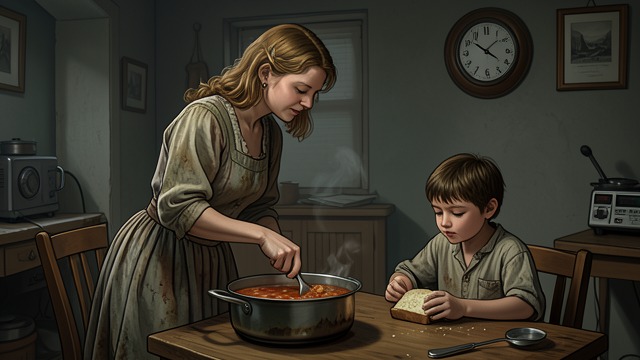
Pea Soup Economy
Repetition and Hunger
The Hubermann household relies on pea soup, bread, and occasional potatoes. Wartime rationing turns meals into calculations rather than comfort.
Family Discipline
Rosa’s harsh management protects limited resources. Poverty shapes every domestic argument and makes small gifts unusually significant.
Washing Routes
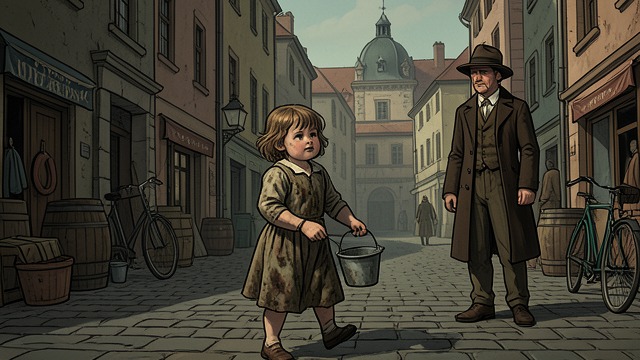
Washing Routes
Labor Under Pressure
As customers cancel washing services, Rosa sends Liesel through Molching to collect small payments. The child becomes part of the household economy.
Dignity and Exposure
The work gives Liesel freedom from the house but exposes her to class resentment. Economic survival depends on appearing useful to wealthier neighbors.
Apple Theft
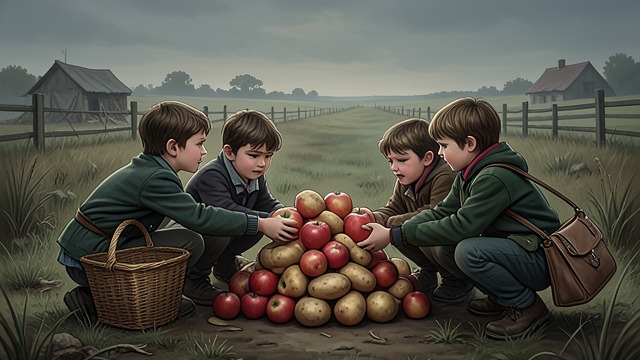
Apple Theft
Hunger’s Lesson
Rudy Steiner and Liesel join Arthur Berg’s group to steal apples and potatoes. Their criminal education begins as a response to chronic hunger.
Shared Risk
The children turn theft into cooperation and friendship. The stolen fruit briefly creates abundance in a world where ordinary appetite has become a moral problem.
Candy by Coin
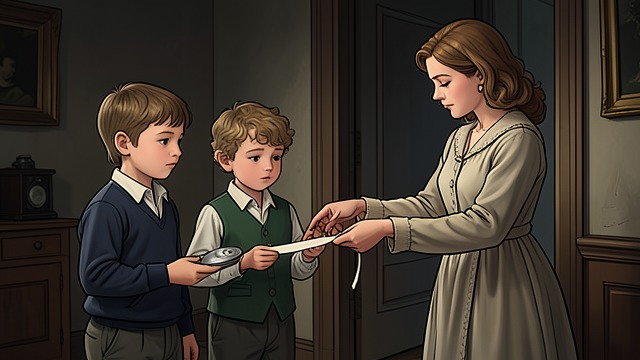
Candy by Coin
A Rare Windfall
Liesel and Rudy find one pfennig and buy a single piece of mixed candy from Frau Diller. The purchase requires cooperation and repeated turns.
Temporary Happiness
The candy does not alter their poverty, but it creates a shared memory of abundance. Scarcity heightens the emotional value of an ordinary sweet.
Bread as Redistribution
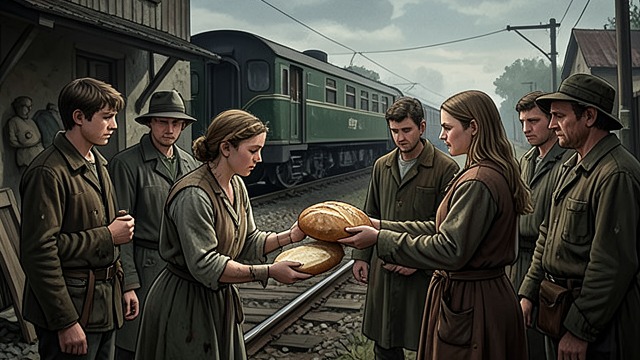
Bread as Redistribution
Stolen Provisions
Rudy and Liesel take bread from their families and distribute it to prisoners being marched toward Dachau. Theft becomes deliberate redistribution.
Moral Reversal
The act risks punishment but refuses the scarcity logic imposed by the war. Rudy becomes a giver precisely because he knows what hunger feels like.
Late 1939
Early 1940
Summer 1940
Late August 1940
December 1942
